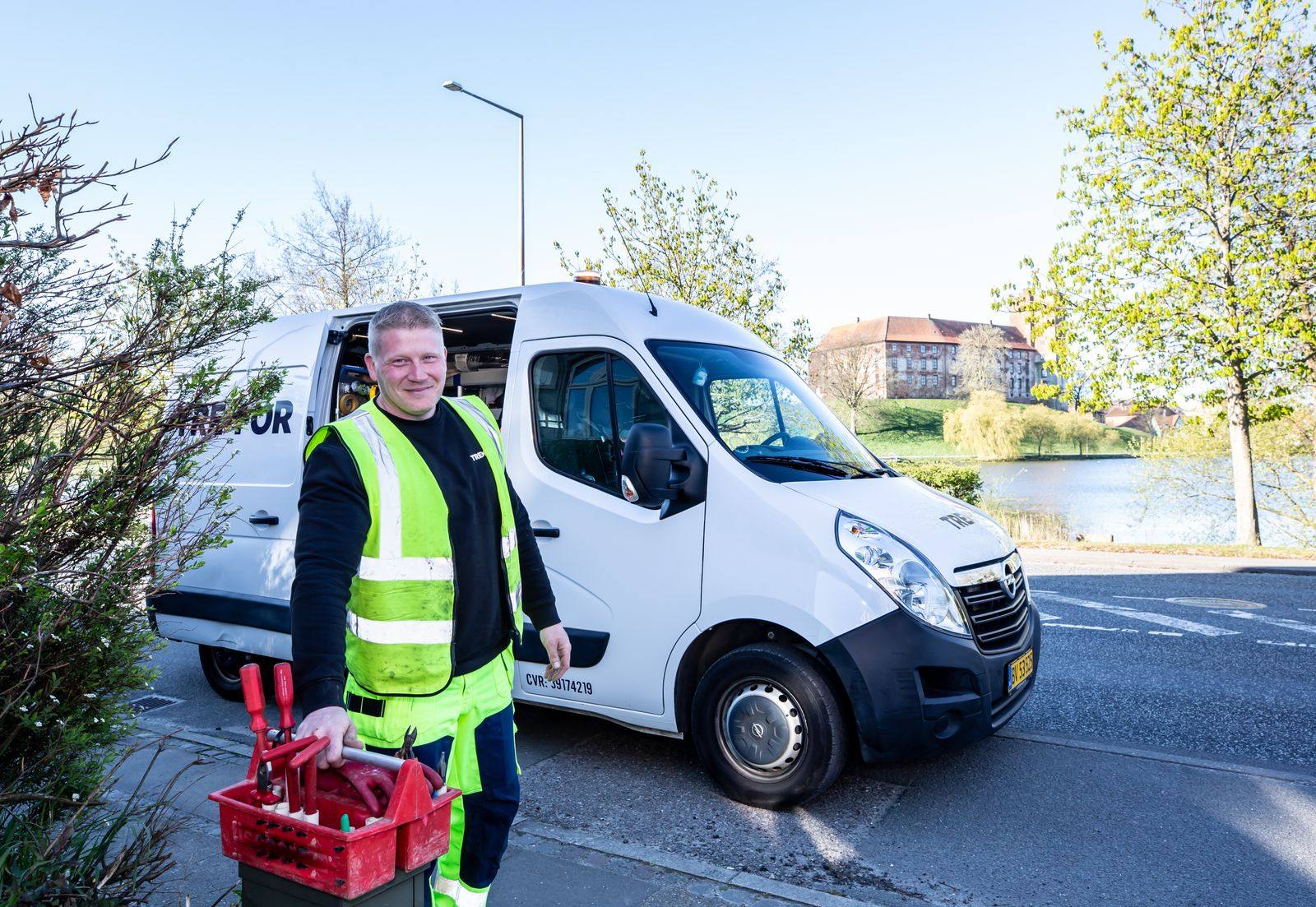
What makes a water heater installation different from a replacement? Mostly, the new work. Adding a heater for an addition, relocating one out of a living space, upgrading to a larger tank or a tankless unit, or converting between gas, electric, and heat pump all require piping, venting, or wiring that did not exist before. In Vineland, NJ, that work also has to meet local code, which can mean permits, drain pans, expansion tanks, and seismic straps depending on the location. We plan every piece up front, so the heater performs, the work passes, and nothing is improvised on install day.
Good installations start on paper. We size tanks by first-hour rating and tankless units by gallons per minute at the temperature rise your incoming water needs, so the heater keeps up with your busiest hour. Then we look at where it will go. Gas units need a way to vent outdoors and enough air for combustion. A heat pump model needs space, a room that stays reasonably warm, and a condensate drain. Electric tankless units can need a heavy dedicated circuit and the panel capacity behind it. Above finished space or in an attic, the heater needs a drain pan piped somewhere safe. We talk it all through in plain language and then give you a firm price.
Installation day runs on a checklist: gas lines sized, run, and leak-tested with a sediment trap at the heater, venting sized and pitched to the manufacturer's spec, circuits and breakers matched to the heater's load, and water lines connected with shutoffs and dielectric protection where dissimilar metals meet. The relief valve gets a full-size discharge line to a safe point, and we add an expansion tank, drain pan, or seismic straps wherever code calls for them, including the permit when one is required. To finish, we fill and purge the tank, test draft and carbon monoxide on gas units, set the thermostat near 120 degrees, and walk you through the new setup. For water heater installation in Vineland, call (856) 208-8557 for a site visit and a firm price.
Replacing a heater that failed? See Water Heater Replacement in Vineland.
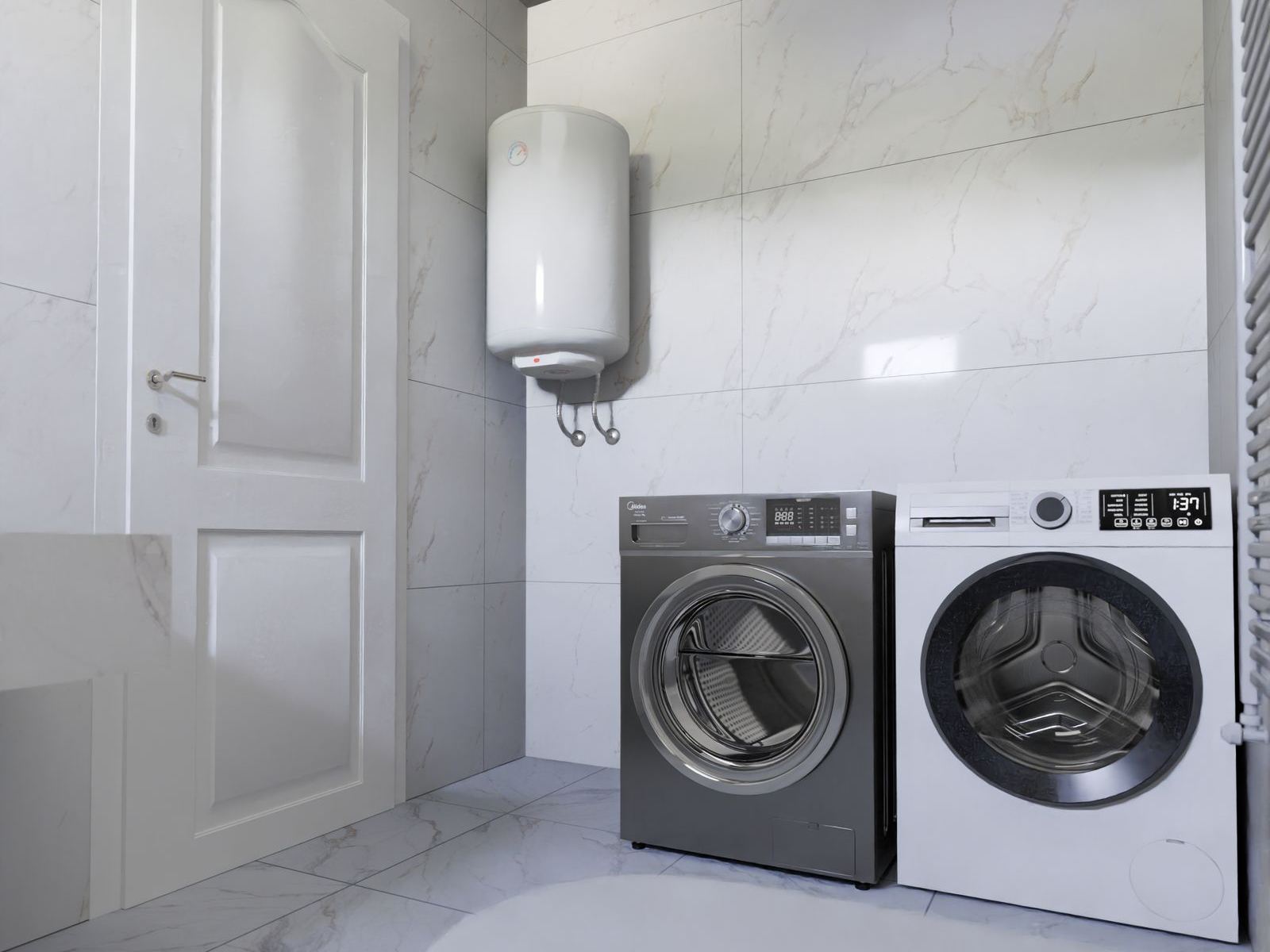
How Much Does Water Heater Installation Cost in Vineland?
A typical water heater installation in Vineland costs $1,100 to $5,500, parts and labor included. The type of heater sets the base price, and the site work around it moves the total up or down. Every install starts with a quick site visit and a clear quote.
| Installation | Typical cost | What it usually means |
|---|---|---|
| Standard tank, same locationExisting water, gas or power, and venting reused | $1,100–$2,800 | Gas or electric tank hooked up where the old one stood |
| Tankless water heaterOften needs a larger gas line and new venting | $2,800–$5,500 | Sized by flow rate; gas line and venting drive the price |
| Heat pump (hybrid) water heaterBefore any rebates; the space matters as much as the unit | $2,800–$5,000 | Before any rebates; the space matters as much as the unit |
| Relocating the water heaterMoving it out of a closet, attic, or living area | $500–$1,500 added | New water, gas, or power runs to the new spot |
| New gas line or ventingNeeded when the fuel demand or vent type changes | $300–$1,200 | Needed when the fuel demand or vent type changes |
| Dedicated 240V circuitElectric tanks, electric tankless, and heat pump units | $300–$1,000 | Depends on panel space and the length of the wire run |
| Expansion tank, drain pan, strapsCode items many areas require on new installs | $150–$500 | Protects against pressure spikes, leaks, and movement |
These are common installed price ranges, not quotes. We confirm the exact price after a site check.
What Moves the Cost Up or Down
- Tank, tankless, or heat pump, and the capacity your household needs
- Whether the gas line, venting, or electrical service can handle the new unit
- Relocation, which adds new water, fuel, and drain lines
- Permits and code items your area requires
Planning ahead lets you pick the right unit instead of whatever is on the truck the day the old one fails. Ranges are typical, not quotes; call (856) 208-8557 and we'll price your install.
When to Call for Water Heater Installation
A heater that is starting to struggle rarely hides it for long, and the clues are easy to spot once you know them. Keep an eye out for the following:
- A heater squeezed into a closet or attic where a leak would do real damage
- A remodel that moves the utility space to a new spot
- Venting, relief valve piping, or gas connections that do not look right
- Plans to change fuel types or go all-electric
- Long waits for hot water at faucets far from the heater
- Hot water running out before everyone has showered
- A new bathroom, addition, or finished basement that needs more hot water
- A new jetted tub that outpaces the heater's capacity
Early Action Saves Money
Most water heater failures start small: a popping sound from sediment, a damp spot under the drain valve, or a shower that goes lukewarm a few minutes sooner each week. A quick call to (856) 208-8557 gets a technician out to check it before it becomes an emergency.
Talk to Us About Water Heater Installation
Call our team for pricing today.
Tap to Call (856) 208-8557Water Heater Installation FAQ
Why Professional Water Heater Installation Matters
A new water heater installation is really several trades in one job. Gas piping has to be sized for the heater's input and every other appliance on the line, then pressure-tested and leak-free. Venting has to follow the manufacturer's rules for diameter, length, pitch, and clearance to combustibles, or carbon monoxide can spill back into the house. Electric and heat pump units need a circuit, breaker, and wire gauge matched to their load, and whole-house electric tankless units can draw more current than many panels have to spare. On the water side, there is more: shutoffs, dielectric transitions, a correctly rated relief valve with a full-size discharge line, and code items like expansion tanks, drain pans, and seismic straps that vary by location.
A professional installation covers the whole job, not just setting the heater. Sizing by first-hour rating or flow rate, tested gas piping, a vent routed to spec, a circuit matched to the load, and the expansion tank, pan, or straps your code requires are all included. Before we go, gas units are checked for draft and carbon monoxide. The result is an installation that is safe, sized correctly, and ready for inspection. If a smaller or simpler heater fits your needs better, you will hear it from us directly.
How We Handle Water Heater Installation
Our workflow is simple and thorough, so nothing gets missed between the fuel supply and the relief line. Here's the short version:
Planning & Sizing
Household demand, fuel options, vent routes, panel capacity, and local code are all reviewed before we recommend a heater or a spot for it.
Written Scope & Quote
Nothing happens without your approval. We explain the choices, the work each one requires, and one firm price with nothing left vague.
Installation Day
Gas piping, venting, circuits, and water lines go in cleanly, with the relief valve piped to a safe point and required code items installed.
Startup & Walkthrough
Nothing is assumed. After a full heating cycle and a round of leak, draft, and combustion checks, we show you the shutoffs, the relief valve, and how to care for the new heater.
Tips to Keep Your Water Heater Healthy
A few preventive steps can help you avoid a cold shower or a wet floor down the road. Put these technician-approved steps to work at home:
- Keep a clear path to the heater so it can be serviced and inspected easily
- Flush a tank every six to twelve months to keep sediment from settling
- Set the thermostat near 120 degrees for safety and efficiency
- Moisture in the drain pan or at the relief line is an early warning worth a call
- Descale tankless units once a year, or more often with hard water
- A periodic checkup with an anode inspection keeps a new tank healthy for years
- Store paint, gasoline, and solvents far from any gas water heater
Should You DIY or Call a Pro?
A few tasks, like checking the temperature setting or lifting the relief valve lever to test it, are fine for homeowners, but most water heater work involves gas lines, venting, 240-volt circuits, or a tank full of scalding water, and that belongs with a professional. Here's a comparison:
| Factor | Doing It Yourself | Professional Service |
|---|---|---|
| Capacity | Bought off the shelf by size | Matched to real household demand |
| Gas Piping | No check of the total gas load | Load calculated, leaks tested |
| Exhaust | Vent routed by guesswork | Routed to the manufacturer's spec |
| Electrical | Breaker and wire that almost match | Dedicated circuit sized correctly |
| Code Items | Permit and inspection overlooked | Required items installed, permit handled |
| Result | Hot water, with hidden problems | Safe, sized, and verified |
Talk to Our Water Heater Installation Team
Cold showers and damp floors don't get better on their own. Vineland Water Heater can have a technician headed your way soon.
Tap to Call (856) 208-8557Water Heater Installation Across the Vineland Area
We serve Vineland and its neighboring towns for water heater installation, from quick same-day repairs to planned installs.